
Introduction
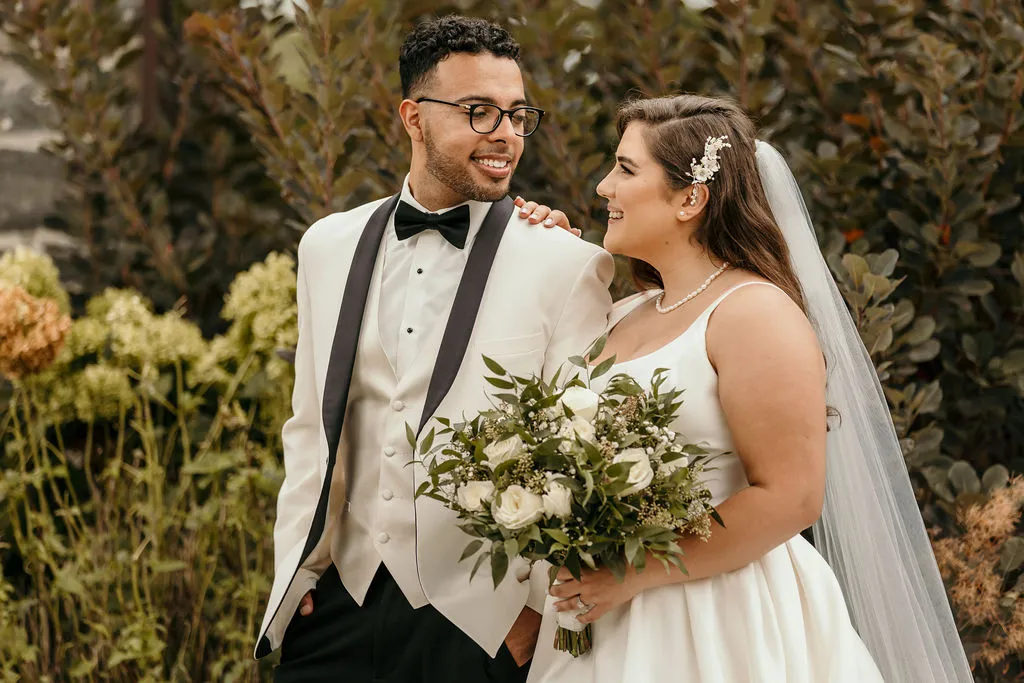
The art of the dress code for a groom in a bridal event has experienced a tremendous revolution over the last ten years. For a long time, the art of dress code for a bride has been solely emphasized in a wedding event, with the groom’s dress code being relegated to the lowest position, as necessary.
Indeed, the groom in today’s context appears to be fashion-forward and meticulous in terms of how he strives to project an image that satisfies issues of confidence, heritage, and individuality concerning dressing. Be it a luxurious ballroom wedding, a quaint civil ceremony, a spiritual nikah ceremony, a beach wedding, a destination wedding, or a multi-ethnic celebration, Men’s Bridal Dressing greatly contributes to establishing the ambiance of the ceremony.
Traditionally, men’s bridal wear does not always have to be a simple black suit. In contemporary male bridal wear, it is possible to get precision suits, refined tuxedos, regal sherwanis, ethnic wear, Indo-Western fusion wear, ceremonial wear, and premium accessories. There is also a focus on fabric, construction, comfort, and climate suitability.
What Is a Men’s Bridal Dress?
“Man’s bridal dress” generally refers to the complete attire of dresses that a groom or male partner dons during the wedding and associated occasions. It is limited to formal wear but includes a variety of cultural, traditional, ethnic, modern, and mixed styles of dresses that he may don during different parts of the world.
Men’s Bridal Dress Includes:
- Tailored suits and tuxedos
- Sherwanis and traditional wedding wear
- Indo-Western and fusion ensembles
- Cultural and ceremonial garments
The bridal dress for men is made with finer materials, optimum stitching, and symbolic colors and detailing. Such clothes are meant to draw the gaze of the onlookers towards them, depict celebration, commitment, and social status.
History & Origin of Men’s Bridal Dress
The notion of males donning distinguished wear for their marriage dates back centuries. In all civilizations, the notion of marrying has played a critical role, and males were expected to wear their best and most valuable clothes.
Key Historical Milestones
Europe
Heavily embroidered coats, velvet jackets, silk waistcoats, lace shirts, and shiny leather boots were worn by European noblemen and aristocrats in medieval and Renaissance European history, depicting the wealth and power in the context of nobility.
South Asia
The members of the royal family and members of the aristocracy in countries such as India and Pakistan wore sherwanis of silk, jamawar, shawls, turbans, brooches studded with precious stones, and gold embroidery done on cloth. Ivory, gold, maroon, and bright red represented prosperity and honor.
Middle East & Africa
Kaftans and robes with flowing fabric symbolized dignity, spirituality, and tradition, with certain fibres and embroidery signifying tribal origin or status.
Modern Era
With the advent of the Industrial Revolution, it became more feasible to produce both tailored suits and tuxedos. The global standard for formal wear in wedding events came from the West.
Fabric Types & Materials Used in Men’s Bridal Dress
The selection of fabric is at the core of any quality bridal outfit. The quality of fabric can influence comfort, drape, and texture.
Common Fabrics Used in Men’s Bridal Dress
| Fabric Type | Best For | Key Features |
| Wool & Wool Blends | Formal suits & tuxedos | Breathable, structured, wrinkle-resistant |
| Silk | Sherwanis & luxury wear | Natural sheen, lightweight, premium texture |
| Velvet | Winter weddings | Rich depth, royal feel, visual warmth |
| Linen | Summer & beach weddings | Airy, moisture-wicking, relaxed elegance |
| Cotton-Silk Blends | Ethnic wear | Comfort combined with refined shine |
| Leather (Accessories) | Shoes, belts | Longevity, sophistication, timeless appeal |
Expert Tip
Premium men’s bridal wear mainly uses natural fabrics with little to no synthetic content. These fabrics have better photography value, are able to breathe, and also resist aging.
Styles & Variations of Men’s Bridal Dress
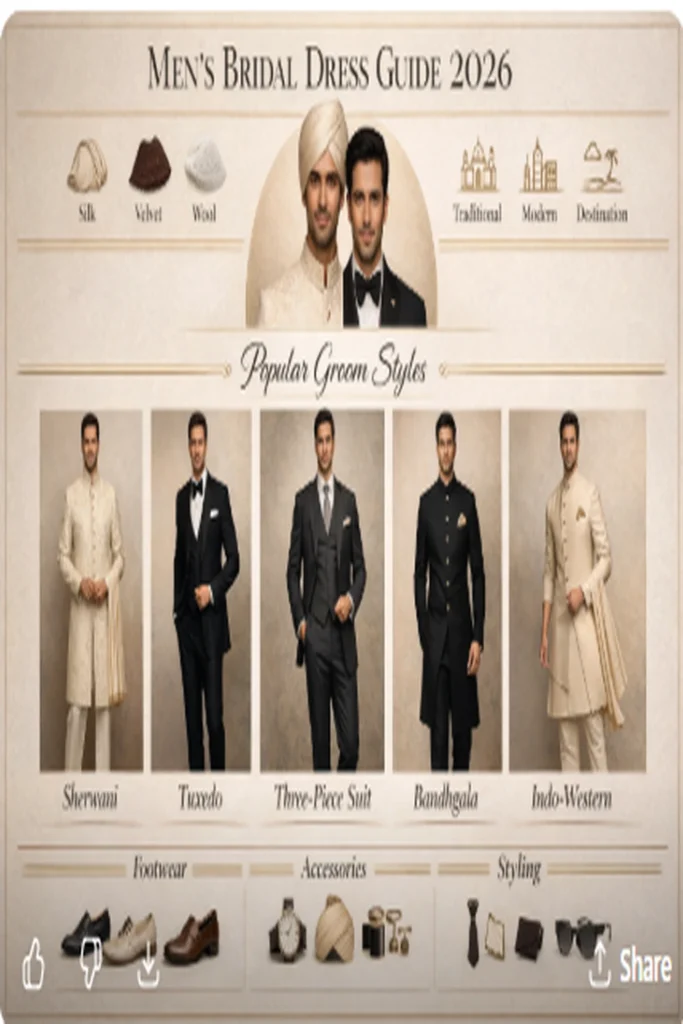
Classic Western Bridal Wear
Western wedding apparel is considered to be elegant and classy.
Popular Options:
- Tuxedos in black, ivory, or midnight blue
- Three-piece suits with waistcoats
- Double-breasted suits for bold formality
Best For:
Receptions, civil ceremonies, luxurious venues, destination weddings, and contemporary weddings.
Traditional & Ethnic Bridal Wear
Traditional wear often bears cultural and ancestral significance.
Popular Styles:
- Sherwani
- Achkan
- Pathani suit
- Kaftan
- Cultural ceremonial robes
Best For:
Nikah, religious rituals, heritage weddings, and traditional family ceremonies.
Occasions
The attire is used during various events associated with a wedding, with each event demanding a varying degree of formality.
Common Occasions:
- Wedding ceremony
- Engagement celebrations
- Nikah and religious events
- Reception dinners
- Mehndi, baraat, and pre-wedding functions
The choice of outfit should be appropriate depending on the event, time of day, and cultural aspects.
Countries & Cultures
Men’s bridal wears are available across the world, but the varieties differ accordingly.
Regional Variations:
- UK & Europe: Bespoke suits, tuxedos
- Pakistan & India: Sherwanis, turbans, waistcoats
- Middle East: Kaftans, thobes
- Africa: Dashikis, embroidered ceremonial robes
- Scotland: formal jackets are worn over the kilt.
- Italy & France: luxury tailored suits with artisanal details.
Each culture adds its own aesthetics, symbolism, and craftsmanship.
Latest Trends in Men’s Bridal Dress
Trending Colors:
- Emerald green
- Burgundy
- Champagne ivory
- Pastel blue
- Sage green
Design Trends:
- Textured and matte fabrics
- Minimalist embroidery
- Custom leather footwear
- Eco-conscious and sustainable textiles
- Relaxed tailoring with refined structure
How to Style Men’s Bridal Dress
Shoes:
- Leather Oxford shoes
- Loafers for summer weddings
- Traditional khussa or mojari
Accessories:
- Genuine leather belts
- Pocket squares
- Cufflinks
- Watches
- Shawls or dupattas
Color Coordination Tips:
- Match the shoe leather with the belt tones
- Harmonize the groom’s outfit with the bride’s color palette
- Avoid excessive accessories
Care Tips & Washing Guide
With appropriate care, the beauty and durability of bridal gowns can be maintained.
Care Tips
- Always dry-clean structured garments
- Use steamers instead of direct ironing
- Store outfits in breathable garment covers
- Place cedar blocks with leather accessories
Buying Guide
Key Factors to Check:
| Factor | What to Look For |
| Fabric | Natural, breathable materials |
| Fit | Tailored or made-to-measure |
| Stitching | Reinforced seams and clean finish |
| Accessories | Premium leather shoes & belts |
| Comfort | Ease of movement for long events |
Expert Advice
It would be best not to make any purchases for the bridal attire at the last minute, since sufficient time would be required for alteration and selection of fabrics.
Pros & Cons
Pros
- Exceptional visual appeal
- Superior comfort
- Reusability for future events
- Enhanced wedding photography
Cons
- Higher initial investment
- Requires professional maintenance
FAQs
A: It will define all the formal, traditional, or cultural attire worn by the bridegroom on his special day.
Yes. Ivory and cream colors are popular as well as stylish bride color options.
A: Tailoring provides comfort, proportion, and a finished look.
A: High-quality leather shoes provide comfort, durability, and style.
Conclusion
The dress of the Bridegroom is not seen as a peripheral aspect anymore. In 2026, this would represent the identity, heritage, and aesthetic of a person who belonged to the elite class of society. This range includes simple Western wear, boisterous ethnic wear, and modern wear. In order to find the perfect men’s bridal dress, one should take into consideration a number of things, like the type of fabric, fit, comfort, and appearance. For instance, a well-designed bridal dress with good leather accessories is a lifetime investment for a groom’s outfit
