
Introduction
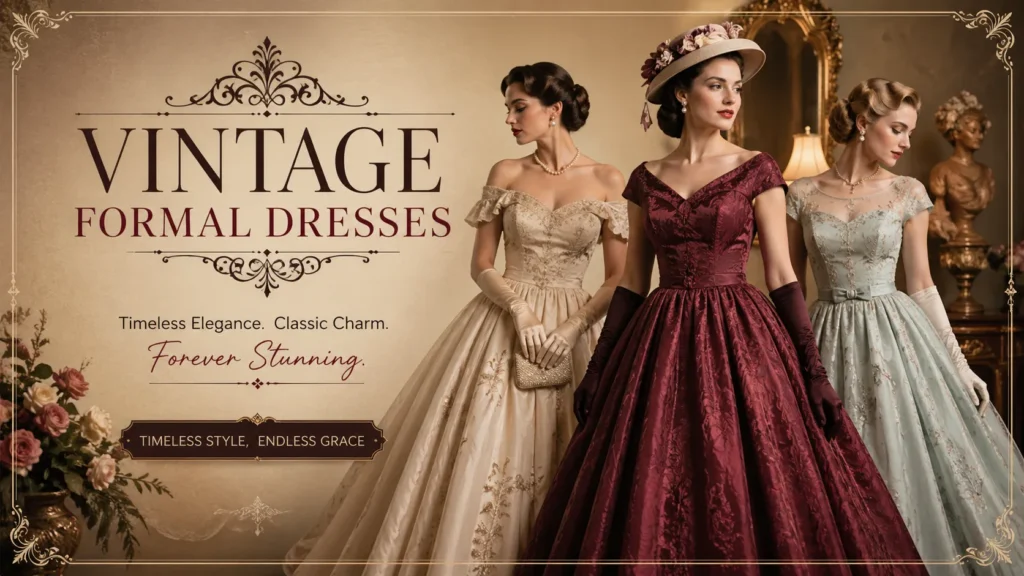
Vintage formal dresses are experiencing a powerful renaissance in 2026, reshaping the global fashion industry with their nostalgic charm, artistic detailing, and timeless sophistication. In an era dominated by fast fashion and mass production, people are now actively seeking clothing that tells a story, reflects identity, and carries emotional value.
Unlike modern synthetic trends that fade quickly, vintage-inspired fashion remains enduring and emotionally resonant. These dresses embody craftsmanship, heritage, and elegance that transcend seasonal changes.
From luxury weddings to glamorous red carpet appearances and high-end formal gatherings, Vintage Formal dresses are becoming the preferred choice for individuals who want to stand out with grace and individuality.
What makes this movement even more significant is the fusion of historical aesthetics with contemporary tailoring techniques. Designers are reviving old silhouettes while integrating modern fabrics, improved stitching technology, and enhanced comfort features.
In essence, vintage formal dresses are no longer just nostalgic outfits—they are a refined expression of identity, sophistication, and sustainable fashion consciousness.
What Are Vintage Formal Dresses?
Vintage formal dresses refer to elegant clothing pieces inspired by fashion trends from previous decades or authentic garments created in earlier historical periods. They are typically worn at formal or semi-formal occasions where sophistication and visual impact are essential.
Two Major Categories of Vintage Dresses
Authentic Vintage Dresses
These are original garments produced in past decades, often considered collectible fashion pieces.
Characteristics include:
- Manufactured 20–100+ years ago
- Handcrafted detailing and tailoring
- Rare availability in the market
- High cultural and historical value
- Unique aging textures and patina
Authentic vintage dresses are often found in curated boutiques, auctions, and heritage fashion collections.
Vintage-Inspired Dresses
These are modern garments designed to replicate the aesthetics of older fashion eras.
Key features:
- Newly manufactured with retro styling
- Improved comfort and fabric durability
- Affordable and widely accessible
- Easier to maintain and size-adjust
- Designed for everyday wearability
These are the most commonly worn vintage formal dresses in today’s fashion landscape.
Core Characteristics of Vintage Formal Dresses
Vintage formal dresses typically share several defining attributes:
- Graceful and elegant silhouettes
- Luxurious materials such as silk, chiffon, velvet, and lace
- Intricate embroidery and handcrafted detailing
- Inspiration from historical fashion movements
- Timeless and unique visual appeal
These qualities make them ideal for individuals seeking refined, standout fashion.
History & Evolution of Vintage Formal Dresses
The evolution of vintage formal dresses reflects over a century of cultural, social, and artistic transformation in fashion.
Early 1900s – Edwardian Sophistication
This era emphasized modesty and elegance.
- Floor-length gowns dominated formal wear
- Lace embroidery and high-neck designs were common
- Soft pastel tones and structured silhouettes
- Focus on refined femininity
Fashion was conservative yet highly detailed.
1920s – The Flapper Revolution
A revolutionary decade in fashion history.
- Shorter hemlines became socially acceptable
- Fringe, beads, and sequins defined party dresses
- Loose silhouettes replaced tight corsets
- Women embraced fashion freedom
This era introduced bold self-expression in clothing.
1930s–1940s – Hollywood Glamour Era
Cinema strongly influenced global fashion trends.
- Satin and silk gowns became dominant
- Flowing, body-skimming silhouettes
- Elegant draping and soft tailoring
- Inspired by Hollywood icons
This period defined cinematic elegance.
1950s – The Golden Age of Femininity
One of the most iconic fashion eras.
- Cinched waist and full skirt designs
- Structured ball gowns with volume
- Polka dots, floral patterns, and pastel tones
- Emphasis on feminine beauty
Still widely used in modern wedding fashion.
1980s–1990s – Bold Expression & Minimalism
Two contrasting fashion identities emerged.
1980s:
- Dramatic shoulders
- Glitter and metallic fabrics
- Oversized silhouettes
1990s:
- Minimal slip dresses
- Clean and simple aesthetics
- Satin and neutral tones
Both eras continue influencing modern designers.
Fabric Types Used in Vintage Formal Dresses
Selection plays a crucial role in defining the elegance and authenticity of vintage formal dresses.
Fabric Comparison Overview
| Fabric | Characteristics | Era Association | Ideal Usage |
| Satin | Glossy, smooth finish | 1930s–1990s | Evening gowns |
| Velvet | Rich, heavy texture | 1920s–1980s | Winter events |
| Chiffon | Lightweight and airy | 1930s–1970s | Romantic dresses |
| Tulle | Soft net layering | 1950s–Present | Ball gowns |
| Lace | Decorative and delicate | All eras | Bridal wear |
| Silk | Natural luxury fiber | Early 1900s–1950s | Premium gowns |
Importance of Fabric Choice
Fabric determines:
- Overall comfort level
- Visual luxury and shine
- Movement and flow of dress
- Longevity and durability
High-quality fabric ensures a timeless vintage appearance.
Popular Styles of Vintage Formal Dresses
Each decade introduced distinctive silhouettes that continue to inspire fashion today.
1920s Flapper Dresses
- Straight, relaxed silhouettes
- Heavy beadwork and embellishments
- Fringe detailing for movement
- Ideal for parties and themed events
1950s Ball Gowns
- Defined waistlines
- Voluminous skirts
- Princess-like elegance
- Perfect for weddings and formal galas
1980s Statement Dresses
- Bold shoulder structures
- Metallic and glitter fabrics
- Dramatic and powerful aesthetics
1990s Minimal Slip Dresses
- Sleek satin fabric
- Simple and clean lines
- Lightweight elegance
- Modern vintage fusion style
Each style communicates a different personality:
- Romantic
- Bold
- Minimalist
- Luxurious
Where to Wear Vintage Formal Dresses
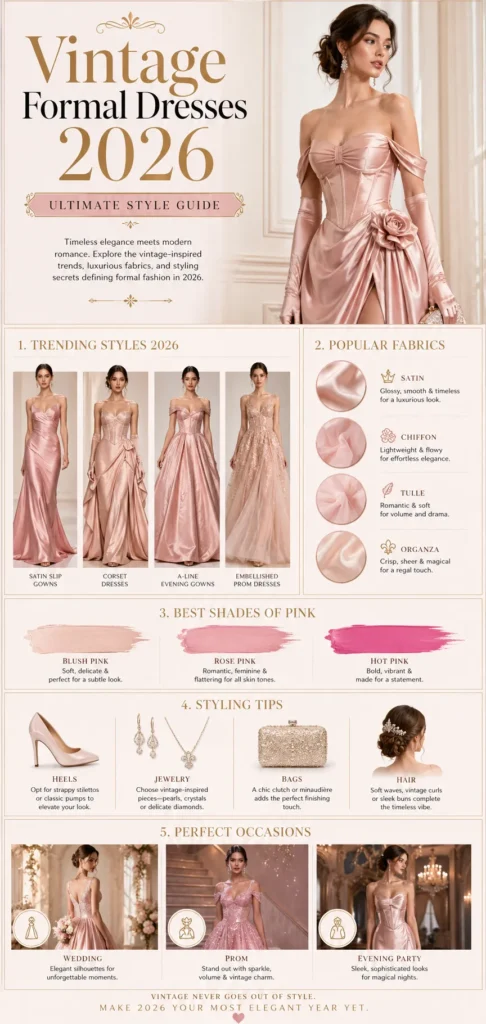
Vintage formal dresses are highly versatile and suitable for multiple occasions:
- Weddings and bridal events
- Proms and graduation ceremonies
- Red carpet appearances
- Luxury parties and galas
- Professional photoshoots
Their adaptability makes them a top fashion choice.
Global Popularity of Vintage Formal Dresses
Vintage fashion is embraced worldwide:
🇬🇧 United Kingdom
- Royal-inspired elegance
- Heritage fashion influence
🇫🇷 France
- High couture vintage revival
- Parisian luxury styling
🇮🇹 Italy
- Premium tailoring tradition
- Artistic craftsmanship
🇺🇸 United States
- Hollywood glamour revival
- Celebrity fashion influence
🇯🇵 Japan
- Creative fusion styling
- Modern + vintage mix
Latest Trends in Vintage Formal Dresses (2026)
Fashion in 2026 is evolving rapidly with sustainability and innovation at its core.
Sustainable Fashion Movement
Eco-conscious consumers prefer reusable and ethical clothing.
Old Hollywood Revival
Classic glamour is returning strongly to mainstream fashion.
Eco-Friendly Fabrics
Organic cotton, recycled silk, and biodegradable textiles are rising.
AI Fashion Styling
Artificial intelligence helps users select personalized dresses.
Luxury Brand Revival
Historic fashion houses are relaunching classic designs.
Social Media Influence
Platforms like Instagram and TikTok are driving vintage popularity.
How to Style Vintage Formal Dresses
Proper styling enhances the overall aesthetic.
Accessories
- Pearls for 1920s elegance
- Gloves for 1950s glamour
- Bold jewelry for 1980s style
Footwear
- Classic kitten heels
- Elegant strappy heels
- Vintage pumps
Hairstyles
- Hollywood waves
- Sleek buns
- Voluminous curls
Styling Tip
Combine vintage dresses with modern accessories for a balanced 2026 look.
Care Guide for Vintage Formal Dresses
Proper maintenance ensures longevity.
- Always check fabric care instructions
- Prefer dry cleaning for delicate materials
- Store in breathable garment covers
- Avoid prolonged sunlight exposure
- Use padded hangers to maintain shape
Buying Guide for Vintage Formal Dresses
Choosing the right dress requires attention to detail.
Quality Checklist
- Fabric integrity
- Stitching precision
- Authenticity verification
- Proper sizing and fit
Body Type Matching
- Hourglass → fitted silhouettes
- Pear shape → A-line gowns
- Rectangle → structured designs
Budget Options
- Authentic vintage = premium pricing
- Vintage-inspired = affordable alternatives
Pros and Cons
Advantages
- Unique design identity
- Sustainable fashion choice
- High craftsmanship quality
- Timeless aesthetic appeal
Disadvantages
- Limited availability
- Requires careful maintenance
- Size inconsistencies in older pieces
- Higher cost for rare garments
FAQs
A: Yes, they are extremely popular due to sustainability trends and retro revival.
A: A dress typically 20–100+ years old or inspired by that era.
A: Yes, they are perfect for weddings, parties, and formal occasions.
A: Inspired dresses are more practical, while originals are more valuable and rarer.
Conclusion
Vintage formal dresses are a perfect blend of history, elegance, and timeless fashion that never goes out of style. In 2026, their Popularity continues to grow as people shift toward more meaningful and sustainable fashion choices. These dresses offer a unique identity that modern fast fashion often fails to deliver. From classic 1920s glamour to graceful 1950s silhouettes and bold 1980s designs, every era adds its own charm. They are suitable for weddings, proms, parties, and high-end formal events. With proper styling, they create a truly standout and luxurious appearance. Modern designers have made them more comfortable and accessible while keeping their vintage essence alive. Overall, vintage formal dresses remain a powerful fashion statement for those who value beauty, tradition, and individuality.
